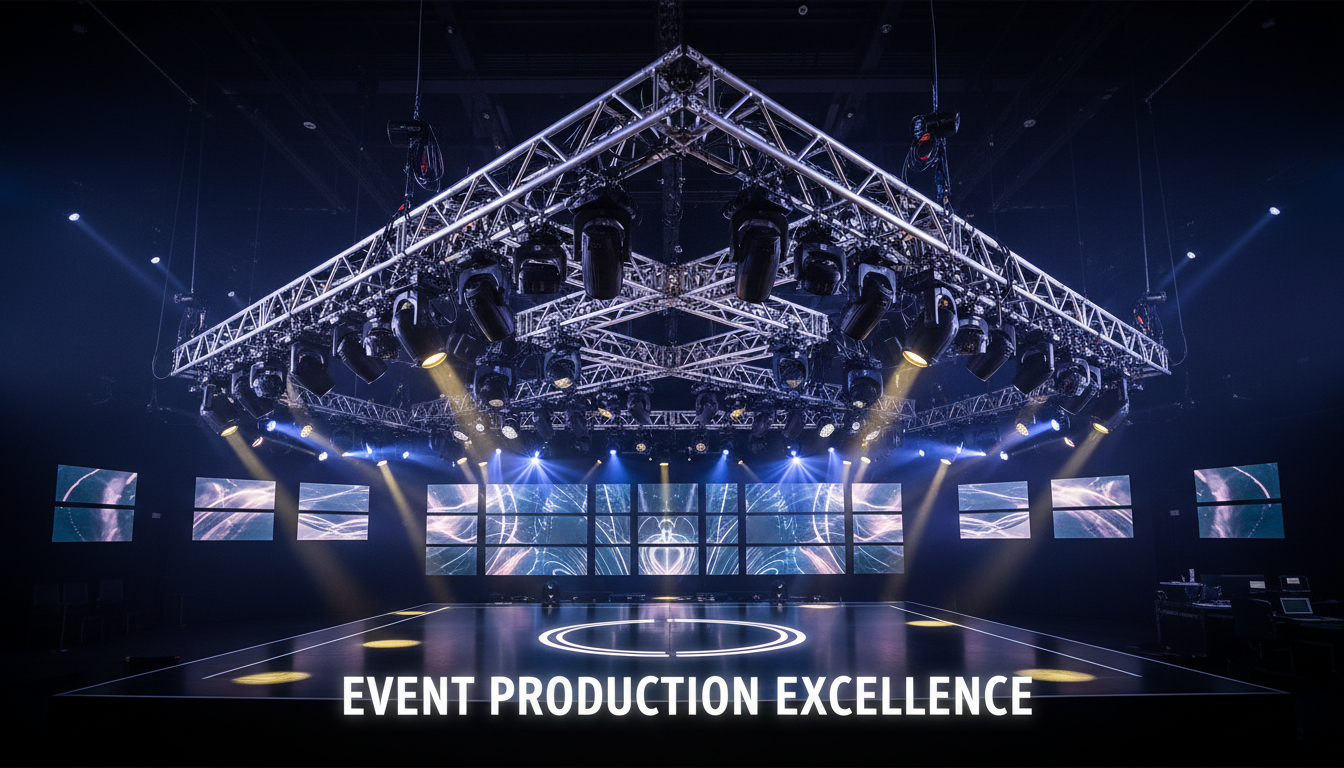
Technical event production involves the logistical management of audio-visual systems, lighting, staging, and sound to create a seamless live experience. Organizers in Wales can expect comprehensive support that includes venue-specific technical setups and professional show flow management tailored to regional event spaces. This integrated approach ensures all technical elements function perfectly to deliver a high-quality production.
The true cost of poor technical production usually reveals itself at the worst possible moment, such as a flickering screen during a keynote or audio interference that silences your lead speaker. You have invested months into the content, yet one technical failure can dismantle the entire experience for your attendees. In Wales, where logistical hurdles range from the tight corridors of historic Cardiff buildings to the power limitations of rural estates, professional production is not a luxury; it is a risk management strategy. This guide explores the four pillars of technical excellence and provides a practical breakdown of live execution. You will learn how to navigate local venue challenges, why professional oversight beats a DIY setup, and exactly what to ask your technical partner to ensure your event remains flawless.
Understanding the Role of Technical Event Production
Technical event production is the operational backbone that supports every live experience. While the term technical event typically refers to any gathering requiring specialized electronic hardware, the production element is the discipline of integrating audio, lighting, and video systems with rigorous logistics. This field focuses on the functional infrastructure that allows an event to happen, distinguishing it from general event planning tasks like catering or decor.
Where a decorator considers the aesthetic of a venue, a technical specialist considers camera positions, signal paths, and the crew needed to keep the show on time. At Connor Strange Tech, my role is to provide professional technical support that keeps camera, broadcast, and live production running smoothly. It is a discipline defined by reliability rather than presence; simply having a camera in the room is not enough. True technical and production support means holding the show together as it moves, from the first camera rehearsal to the final strike.
For businesses and organizers in Ammanford and across South Wales, this specialized focus provides reliable event solutions that mitigate the risk of hardware failure. By prioritizing engineering over aesthetics alone, technical production ensures that the core message of a presentation or performance is delivered without interruption. It is the invisible engine that drives the audience experience, focusing on reliability and technical exactness to prevent the glitches that can derail a professional production.
Four Areas of Work Behind Reliable Technical Production
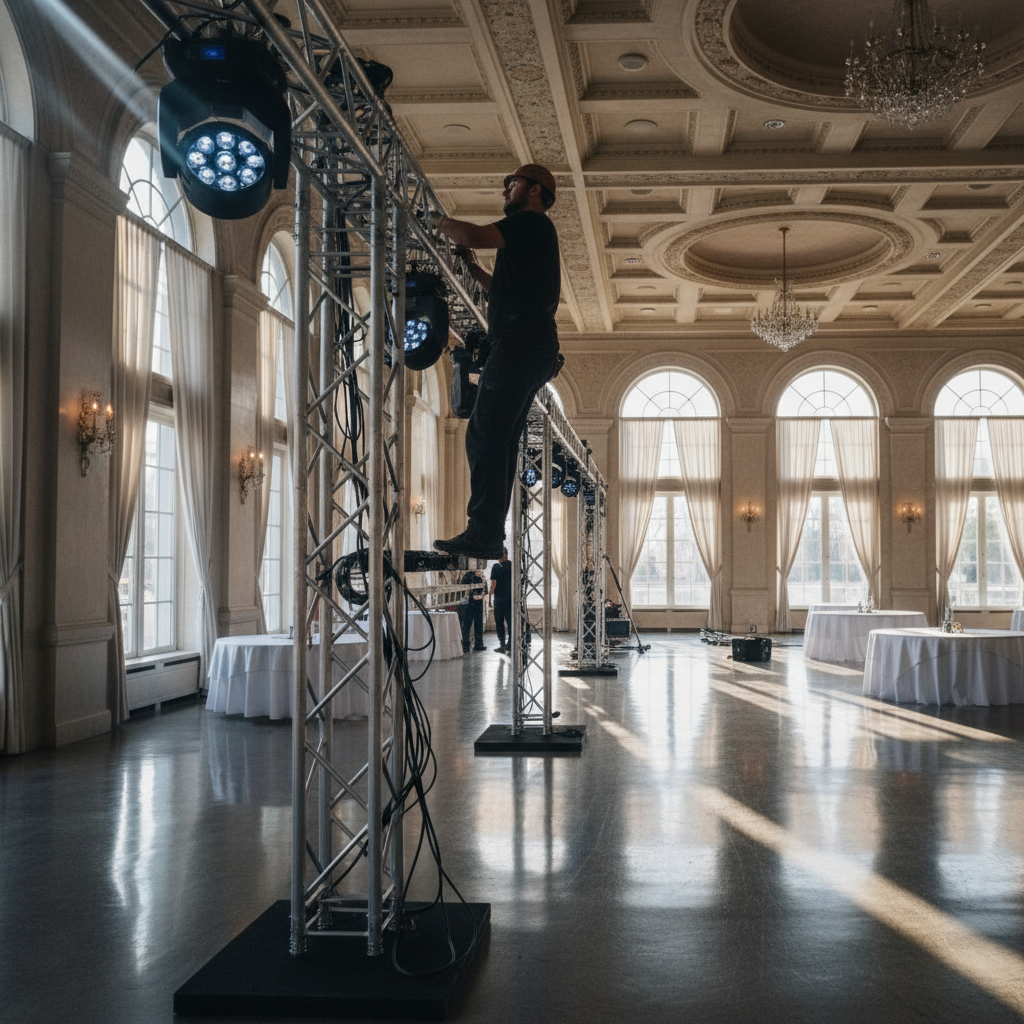
Building on that foundation, successful execution relies on four areas of work. Each draws on a different skill, but they overlap in practice, which is exactly why one experienced specialist can hold a smaller event together from start to finish.
1. Camera Operation
For events with screens, recordings, or a live audience beyond the front row, cameras do the heavy lifting. This covers much more than pointing a lens. In a roaming environment, the operator keeps a clean frame as performers move, while in a multi-camera setup each shot must be composed and ready to cut at the right moment. The result is coverage that stays steady, legible, and useful whether it is going to a big screen or straight into a recording.
2. Broadcast and Television
When an event is being transmitted, streamed, or captured for broadcast, the technical demands step up. This area covers vision mixing, live feeds, outside broadcast, and keeping latency low so remote viewers stay in sync with the room. It is the quiet work of keeping signals clean and cues tight, so the version people see at home feels as close to being there as possible.
3. Production and Technical Support for Live Events
This is the glue that holds an event together. Production support covers event and stage management, show calling, coordination with the rest of the crew, and on-site delivery from setup to show close. It means someone is watching the running order, reading cues, and keeping every department in step, so the audience only ever sees the finished moment, not the machinery behind it.
4. Photography and Videography
Beyond the live moment, events need content that lives on. This area covers professional photography and video for the event itself, plus promotional, social media, and behind-the-scenes coverage. The value is a set of clean, usable images and clips that tell the story of the day long after the lights have gone down.
Navigating Technical Challenges in Welsh Event Venues
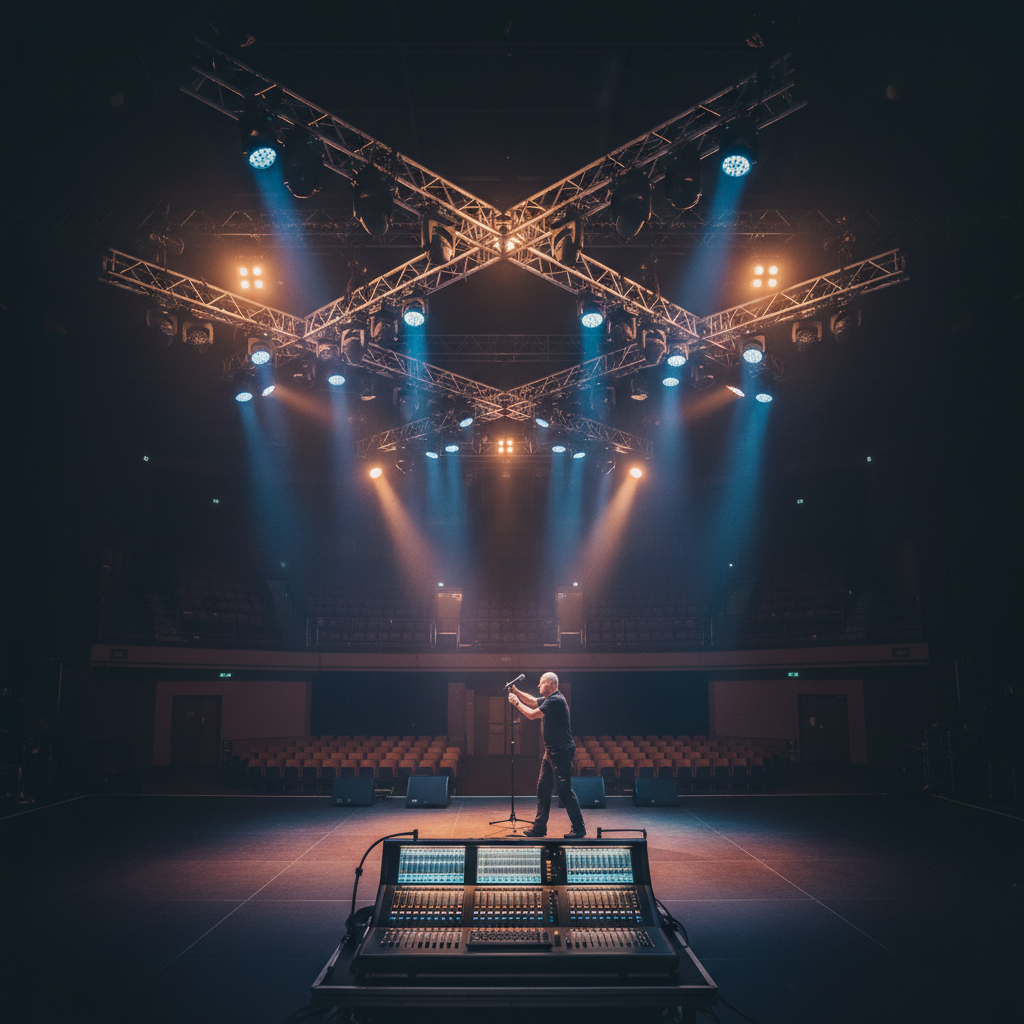
Moving from the four areas of work to the practical reality of working in Wales reveals a few local hurdles. Global standards for technical event production still apply, but the venues that make Welsh events so distinctive come with their own considerations.
Space is frequently the first challenge. Many older community halls and village venues were designed for a different kind of gathering, which makes camera positions and signal routes harder to map. It is common to find a venue where the obvious place to put a camera blocks a fire exit, or where running a cable to the stage means crossing a main walkway.
Architectural acoustics in South Wales also present specific difficulties. Stone chapels and converted barns are popular for their aesthetic appeal, but their high ceilings and hard, reflective surfaces create significant natural reverb. Without precise speaker positioning and digital signal processing, speech and music quickly become unintelligible. We use directional audio techniques to ensure sound is focused on the seating area rather than bouncing off stone walls. Furthermore, providing reliable event solutions in this region involves navigating narrow rural lanes and restricted loading bays. Local knowledge regarding which vehicles can access a site and the exact cable lengths required to reach a stage from a remote power source is the difference between a smooth load in and a delayed start.
The Invisible Work: Pre Production and Logistics
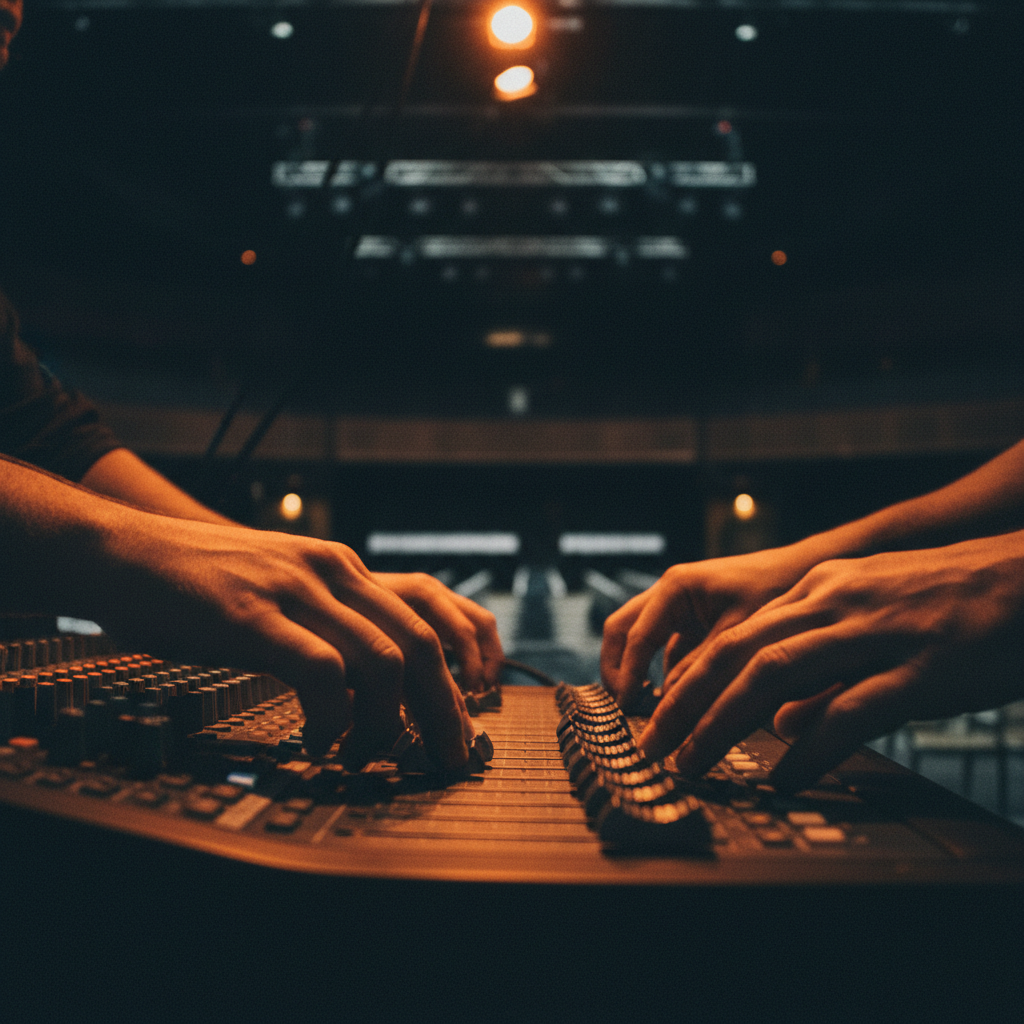
Reliable technical event production begins weeks before anyone arrives on site. This pre-production phase is where the technical specialist acts as the project's anchor, working out how the pieces fit together before the day arrives. The primary focus is the site visit, where we map out physical constraints, confirm camera positions, and agree signal routes. Rather than guessing, we plan around the venue's real layout, which prevents awkward surprises on show day.
Preparation also involves coordination. As a freelancer who works alongside production teams, this stage frequently means direct collaboration with other vendors and crew across the Ammanford region and beyond. We align with the rest of the team on running order, cues, and responsibilities so nothing falls through the gap between departments. A final walk-through covers everything from cable routes to camera coverage, so that by the time the first guest arrives every signal path and workflow has been checked and agreed.
Live Show Execution: What Happens During the Event
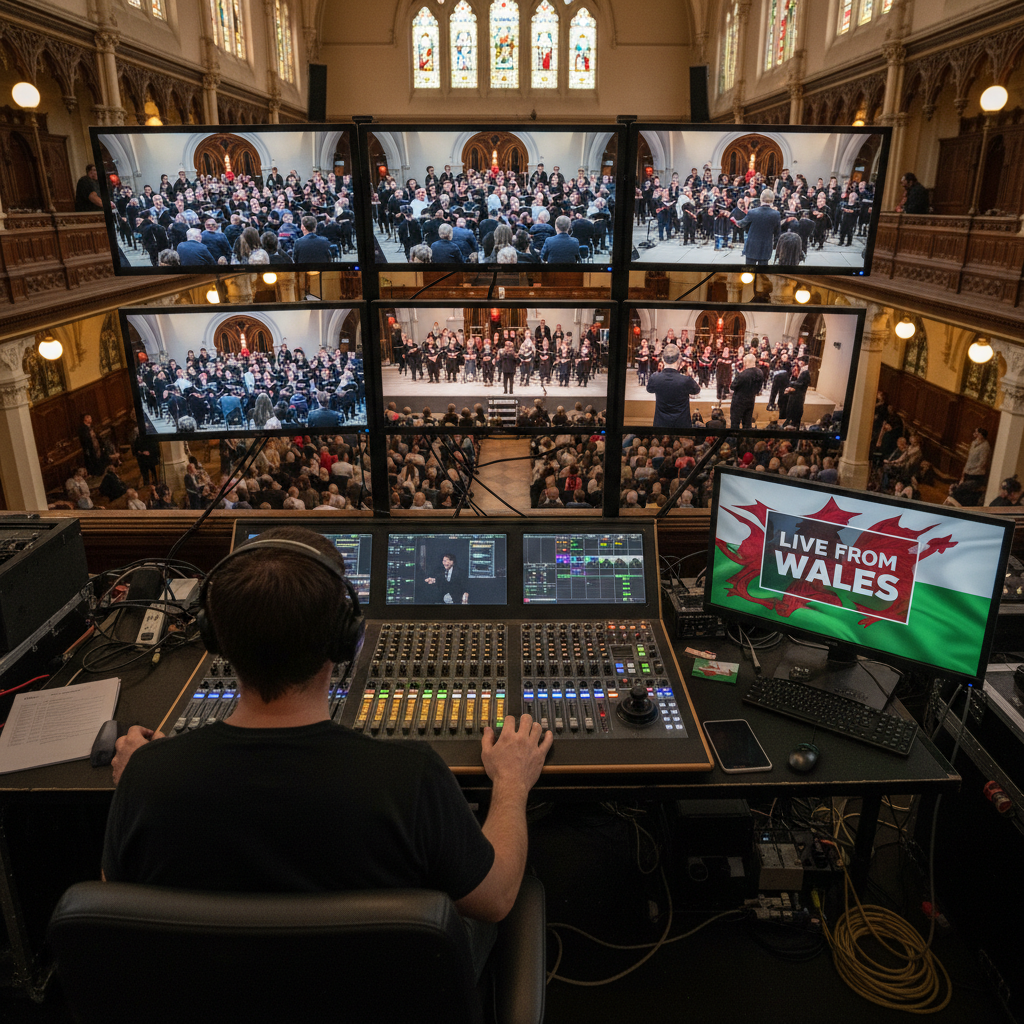
Once pre-production is complete, the focus shifts to the show flow. This is the chronological timeline of the event where every cue must land precisely to maintain professional momentum. From the control desk, a technician manages multiple systems simultaneously to ensure the technical event production remains seamless from the opening remarks to the final applause.
As the event runs, the technical specialist stays in constant motion between camera positions, vision, and communication with the rest of the crew. For events involving multiple cameras or presentation decks, the technician operates a vision mixer, moving between video sources so the correct feed reaches the screens or the live stream at the exact moment the script requires.
Show cues and camera changes are triggered in sync with these moves, keeping the atmosphere matched to the energy on stage. The core value of professional technical support lies in staying calm and troubleshooting under pressure. If a camera loses signal or a presentation file lags, the specialist deploys a fallback instantly so the audience never notices. This active, live management turns complex technology into reliable event solutions that let organisers stay focused on their audience rather than the equipment.
Why Hiring a Technical Specialist Beats Trying to Do It All Yourself
Attempting a DIY approach to technical event production often leads to avoidable failures that disrupt the audience experience. Without someone dedicated to the technical side, the person running the event ends up splitting their attention between guests and gear, which is when cameras lose focus, feeds drop, and cues get missed. By opting for professional technical support, you gain a specialist who has seen these problems before and knows how to head them off.
Hiring a specialist means the technical and production responsibilities sit with someone who does this for a living. The value is quiet confidence on the day: camera coverage and broadcast feeds handled, cues called, and problems resolved before the audience notices. For organisers in Ammanford and across South Wales, this shift from doing it all yourself to working with a specialist provides reliable event solutions that protect the reputation of the project. If you want that support on your next event, contact us for a quote.
Essential Questions to Ask Your Technical Specialist
Selecting a partner for technical event production requires vetting their operational logic rather than just their price list. To ensure your provider is equipped for the complexities of a live environment, use the following checklist during your initial consultation:
How do you confirm camera coverage and signal routes fit our venue before the event?
What fallback do you have if a camera or feed fails mid-show?
How far ahead do you arrive for setup, testing, and coordination with the rest of the crew?
How do you handle last-minute changes to the running order or show flow?
Asking these questions helps distinguish a dependable technical specialist from someone who simply turns up with kit. A professional should be able to explain how they will cover your event, who they will coordinate with, and what happens when something changes. That transparency is what turns technical support into reliable event solutions tailored to your venue and your crew. If you are ready to talk through your requirements, contact us for a quote to start planning.
Technical event production is a blend of camera operation, broadcast support, and careful production planning. Successful events in Wales depend on someone reliable holding all of it together from setup to strike. While managing these details alone is possible, it often takes time and hard-won experience. If you want an expert helping your next production run smoothly, I offer a range of professional Services to support your team. That way you can focus on your guests while I handle the technical side behind the scenes.